"So My OB Thinks Hypnobirthing Is Crunchy": Scripts for Getting Your Care Team On Board
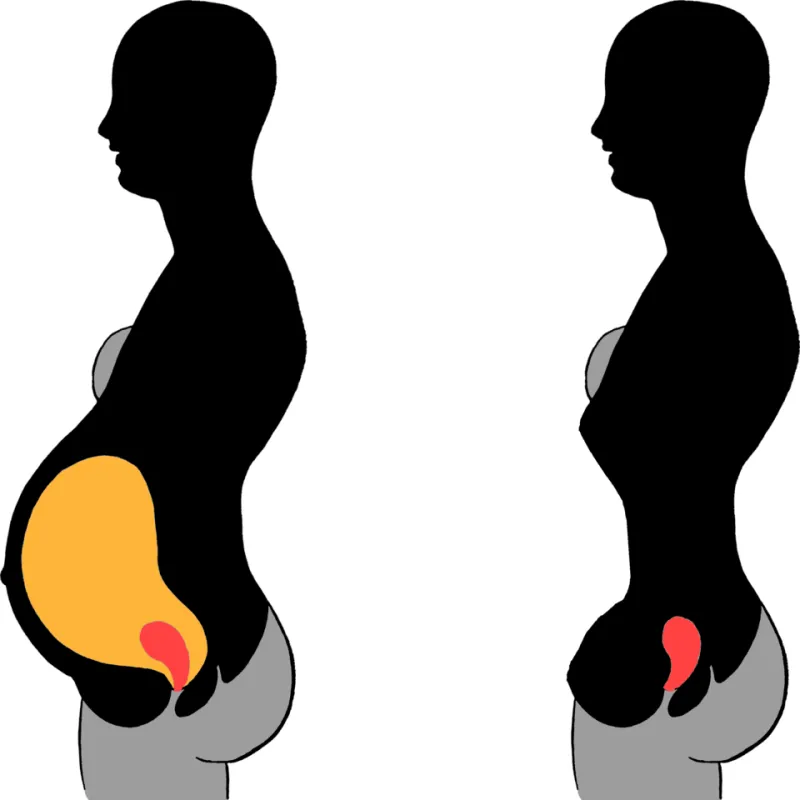
Photo: AnonymousUnknown author, Public domain, via Wikimedia Commons
Let's name the awkward thing first: somewhere between your glucose test and your third-trimester appointments, you're going to mention hypnobirthing to a medical professional, and you might get the look. The polite smile. The "well, whatever helps you relax, I guess."
Here's the thing — that eye-roll usually isn't hostility. Most OBs have simply never seen a well-prepared hypnobirth, or they've only heard the word through reality TV. Your job isn't to convert them. Your job is to communicate clearly what you need, prove you've done the work, and find out fast whether this provider is a true partner or just a bystander with prescription pad energy.
Reframe the Conversation (It's Not About the Name)
First, a tactical tip: you don't have to lead with the brand name. "Hypnobirthing" makes some providers picture swinging pocket watches. What you're actually asking for is evidence-based, physiology-friendly birth care — and there's solid research behind it. Studies on hypnosis-based childbirth preparation show reduced use of epidurals, shorter labor in some populations, and lower rates of surgical birth.
Try opening like this:
"I've been taking a childbirth education course focused on hypnosis and relaxation techniques for labor. I'd love to share my birth preferences and get your input on how we can make them work in this setting."
Notice what that does. It signals education, invites collaboration, and skips the vocabulary debate entirely. You can absolutely still say "hypnobirthing" — but pair it with substance:
"It's a full childbirth ed program — breathing, visualization, and partner-supported comfort techniques. It's backed by research showing less intervention overall. I'd love for you to be part of that."
Word-for-Word Scripts for the Big Topics
On intermittent monitoring:
"I'd like to discuss intermittent monitoring if baby and I stay low-risk. Can you walk me through what that would look like here, and what would need to change for continuous monitoring?"
Asking how and what would change shows you understand flexibility matters — you're not demanding, you're planning.
On movement and position during labor:
"Staying upright and mobile is central to how I'm preparing. Can I count on the freedom to move, use the tub if it's available, and try different positions for pushing as long as things are progressing well?"
On minimizing routine interventions:
"I know your practice has protocols, and I respect that. Where I'm hoping for flexibility is on routine things like breaking my water or a timeline for pitocin, as long as baby and I are doing fine. Can we talk about what's negotiable?"
When you get pushback:
"I hear that this isn't something you see often, and I appreciate your honesty. My plan is backed by a full education program, and my partner is trained to advocate for me. I'm hoping we can approach my birth as a team, with shared decision-making if anything unexpected comes up."
That last line matters. Shared decision-making is the actual standard of care in US maternity practice — saying it out loud, calmly, is both a request and a gentle reminder.
Interview Questions That Reveal Everything
If you're still choosing a provider, ask these before you commit:
- "How do you support patients who want an unmedicated or low-intervention birth?"
- "What's your rate of episiotomy? Of elective induction at 39 weeks?"
- "If I decline an intervention that isn't medically necessary, how is that handled?"
- "Have you attended births where the patient used hypnosis techniques? How did it go?"
Pay attention to tone, not just answers. A provider who leans in with curiosity is worth their weight in gold. One who sighs at the word "birth plan" is telling you something important.
Building a Calm Birth Inside a Conventional Hospital
You can absolutely have a gentle, hypnobirthing-aligned birth in a standard US hospital — thousands of our families do it every year. A few advocacy moves that help:
- Put preferences in writing, keep it to one page, and have your provider sign off at a prenatal visit.
- Brief your nurse. Labor and delivery nurses are your closest allies. A simple "we're using hypnobirthing techniques — quiet voices and low lighting help a lot" sets the tone for the whole shift.
- Make your partner the spokesperson. When you're deep in labor, you answer questions with a nod, and your partner handles the talking. Decide this in advance.
- Know your BUMP: your Birth Preferences, Understanding of risks/benefits, Medical alternatives, and Prompt decision-making space — the framework from ACOG's informed consent guidance. You don't need to lecture anyone with it; just knowing you have it builds unshakable confidence.
The Bottom Line
Advocating for a calm birth isn't confrontational — it's collaborative. The right provider will be relieved to work with a prepared, informed patient, not threatened by one. And if you hit a wall of eye-rolls? That's not a sign to shrink your plan. It's a sign to keep interviewing.
You've spent months preparing your mind and body for this birth. Your care team should be preparing to meet you there.